

Why dashboards keep getting rebuilt?
Why internal dashboards keep getting rebuilt in finance
-
1
The firm has Grafana or Tableau. They cover generic reporting, but finance-specific or real-time use cases require heavy customization to be usable in production.
-
2
An internal superstar builds a quick application to solve one valuable problem. It works. People like it. They add more.
-
3
Another team sees it and asks for something similar, so they copy the framework. Before long, three teams are running five slightly different versions of the same internal dashboard stack.
-
4
Eventually there is a serious incident, an outage, or the original author leaves the firm.
Maintenance becomes very costly, and deploying new applications becomes risky. -
5
Requests pile up. Small changes take time. Priorities conflict.
Desks feel slowed down, so they quietly rebuild their own versions again. -
↺
The cycle restarts.
I have seen this pattern repeat across multiple firms and asset classes. It often starts with tools like Streamlit, Plotly, or Dash. They are heavily customised, wrapped in bespoke code, and gradually turn into internal frameworks.
Those frameworks work until they become shared, critical, and no longer clearly owned.
At that point, no one really wants to be responsible for them.
Firms usually settle into two clear lanes
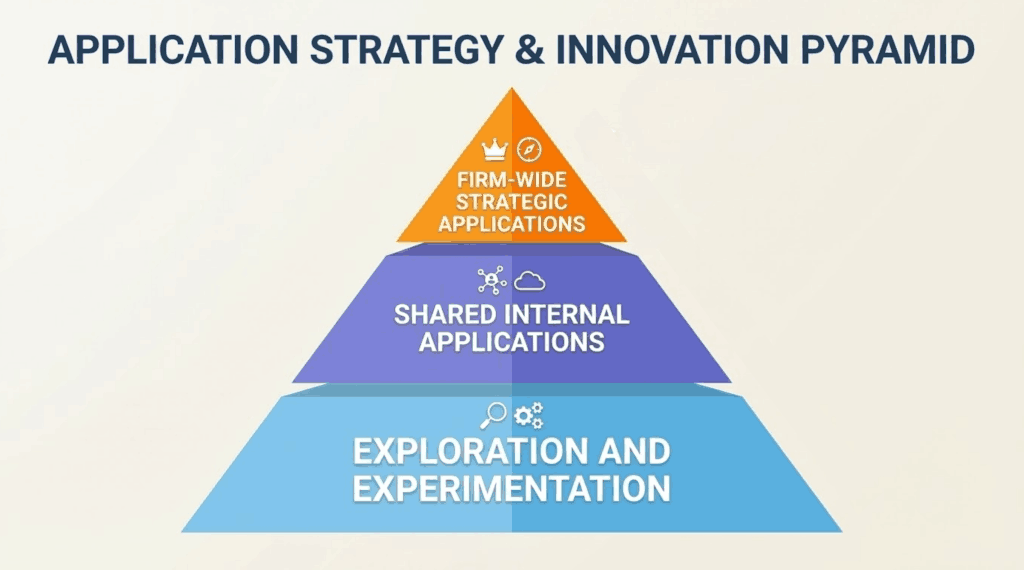
- Central UI or platform teams build a small number of top priority, firm-wide applications.
- [intentionally absent]
- Individuals experiment freely in notebooks, IDEs, scripts, and dashboards to answer local questions, with no long-term ownership expectations.
What is missing is the middle ground.
Shared internal applications that need to be reliable and long lived, but are not important enough to justify a dedicated team.
These are applications people are expected to deliver, but quietly hope not to own.
Preferably they can be built and deployed by one person with domain knowledge.
Pulse exists because this cycle is predictable. Internal dashboards do not get rebuilt because teams forget the past. They get rebuilt because the work sits in an uncomfortable gap.
Institutions need these applications, but individuals are rationally incentivised not to own them long term.
Pulse takes on that responsibility as the product itself. Maintaining the framework, handling reliability, and supporting shared use is not a side effect. It is the entire focus.